
SciShots: Nervous and immune systems team up to take on parasites
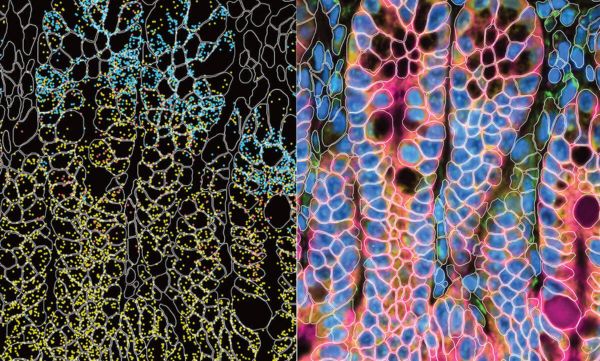
Researchers from Weill Cornell Medicine and the Allen Institute have discovered that pain-sensing neurons in the gut help coordinate the immune system’s response to intestinal parasites.
Published in Nature, the study found that TRPV1⁺ pain-sensing neurons sit close to rare intestinal tuft cells and release a signaling molecule called CGRP during infection, helping regulate the body’s protective type 2 inflammatory response. When the researchers turned off these neurons in mice, tuft cells decreased, immune responses weakened, and worms were cleared more slowly. When the neurons were activated, tuft cells increased, immune activity strengthened, and parasites were expelled faster. The team used spatial transcriptomics to visualize gene activity within intestinal tissues and better understand how these cells interact.
The findings strengthen the region’s leadership in neuroimmunology and open new avenues for treating infections and inflammatory diseases.