
Seattle’s Allen Institute helps create a ‘Rosetta Stone’ for brain cells to unlock clues to disease
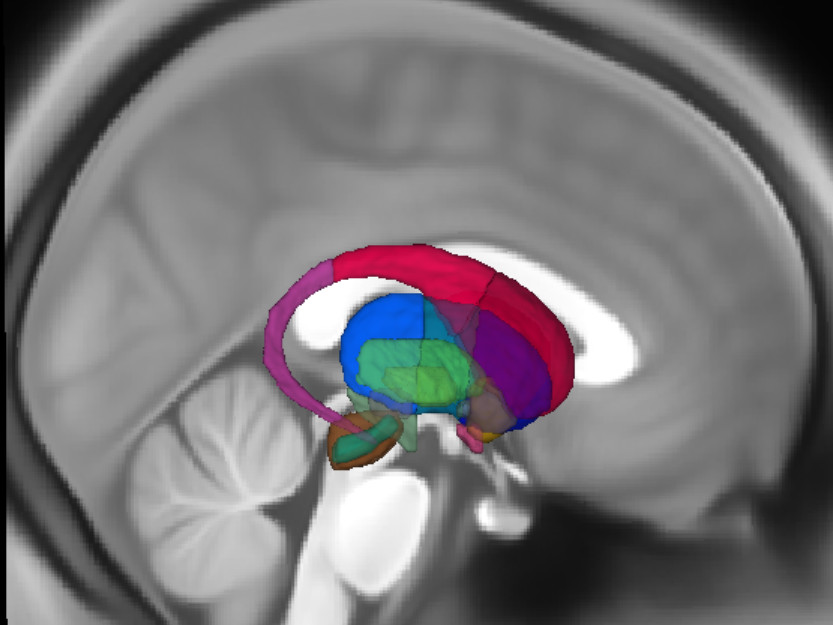
Scientists at Seattle’s Allen Institute are helping researchers better understand how the brain works through a major international collaboration. Working with 56 institutions across nine countries, the team helped develop a detailed map of cells in a region of the brain involved in movement and other important functions.
The project analyzed more than 25 million brain cells to create a publicly available resource that researchers can use to study how different cell types relate to one another. By establishing a common way to identify and compare brain cells, the research could help scientists investigate neurological conditions such as Parkinson’s disease and schizophrenia.
With the Allen Institute playing a leading role in this global effort, Washington continues to be a home for research that reaches far beyond the state. The project offers another example of the scientific work taking place in Seattle and its potential to contribute to future advances in medicine.