
DNA Typewriter records cells’ history in early mouse embryo
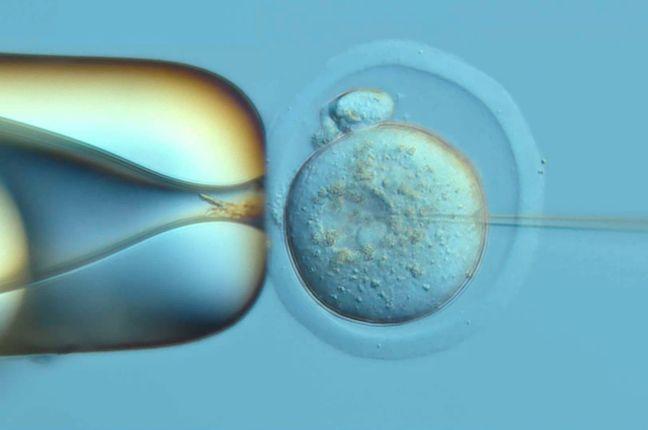
Researchers at the University of Washington School of Medicine helped develop a new way to track how cells grow and change during early development. Using a technology called DNA Typewriter, the team reconstructed the history of approximately 1.3 million cells in a developing mouse embryo, tracing their origins from the first cell division through the formation of organs.
The technology records changes directly in a cell’s DNA as it divides, allowing scientists to follow how different cell types develop over time. Led in part by UW professor Jay Shendure, the research could “advance knowledge about congenital malformations, neurodevelopmental conditions, genetic disorders or cancer.” The study involved researchers from UW Medicine and other institutions.
The research builds on Washington’s work in genomics and synthetic biology, with Seattle-based scientists developing tools that could improve our understanding of disease and support future medical treatments.